Back in July, I had the pleasure of traveling to France and the U.K. to attend the Rural Arts in Science & Sustainability Education (RAiSE) Residential Field Ecology Module and visit Dr. Alan Rayner for his 75th birthday. Being among so many passionate scientists, artists and students from so many different countries and backgrounds was an unforgettable experience and a perfect kickoff to our nine month virtual program.
I was able to meet up with Dr. T.H. Culhane and Dr. Victoria Hurth in Bordeaux and carpool to the RAiSE property near Marnes, France. The next 10 days were packed with themed lessons, guest presentations, excursions, workshops, and communal gatherings. We covered topics including:
- Natural Inclusion
- Purpose driven organizations and international ISO adoption
- Field, freshwater, and forest ecology
- Biodiversity, defaunation, and conservation
- Rewilding
- Soil ecology, restoration, and regenerative practices
- Sustainable forestry, ecosystem services, and the nontimber value of forests/ecosystems
- Permaculture and site-specific, minimal-input design
- Fungal cultivation and mycology
- Zero waste living
- Biogas, biodigester building, and sustainable energy
- Stone, lime, cob, and wood building
- Medicinal plants and fungi, foraging and preparation methods
- Natural dyes and dyeing techniques
- Sustainable art and The Arts Green Book
- Role of the arts in ecology, activism, personal transformation/development, etc.
- Facilitated painting and various creative projects
- Leonardo Da Vinci and transdisciplinarity

We also visited the most amazing local outdoor market, toured the inspiring Emmaus facilities in Thouars, toured nearby permaculture farms and a rewilding project, visited Musée du Champignon in the historic troglodyte caves, stopped by Neolithic dolmens and various historical sites, found prehistoric fossils and Roman artifacts throughout the fields and village, went for sunset bike rides (or walks in my case), cooked and ate various cultural foods together, watched late night movies, collected (and released) insects to add to our biodiversity map, and stargazed. We celebrated Bastille Day and every day honored the village’s spring-fed water source and the diversity of species and cultures it has supported. We acknowledged, protected, and participated in the natural processes within us and throughout the planet through organic, low-impact, no-waste practices that are cost effective and easy to replicate. I got to help oversee the collection of all recyclables and compostables for proper processing, much of which would later become biodigestables for the new IBC tank style digester that TH successfully installed. The result was a miniscule amount of “waste” for a group of over 20 people for 10 days (which probably could be further repurposed with enough creativity).
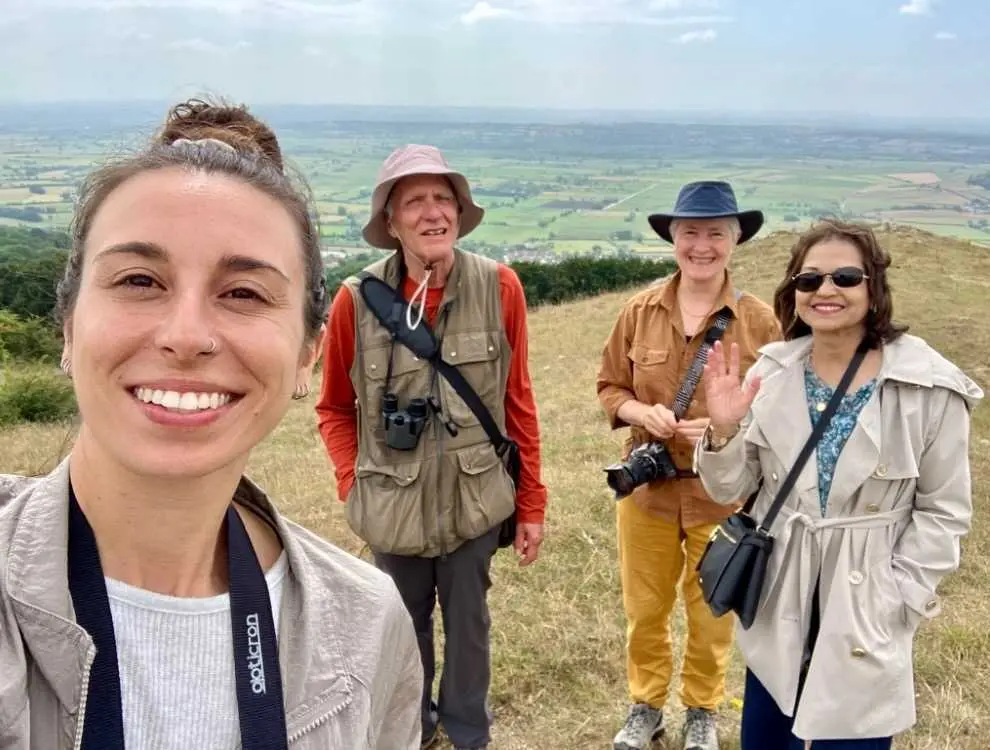
I then traveled to Wedmore, England to visit Dr. Alan Rayner for his birthday, one coincidentally shared with Carl Jung’s 150th. There I had the dream come true of sharing many inspiring, eye-opening conversations with Alan, his lovely family, Dr. Louie Gardiner, and Dr. Nisa Khan. We went on nature walks to the Avalon Marshes, Draycot Sleights Nature Reserve, and Westay Moor, strolled along the Super Mare at low tide, had a Presence in Action session with Louie, and enjoyed many memorable meals and conversations about natural inclusion, natural physics and calculus, and Presence in Action. I was lucky enough to see my favorite painting in person, share Alan’s special day with Marion and Pippa, and share a room at the George Inn with Nisa, where the talks and physics lessons started with breakfast and continued into the night.

The RAiSE Ecology Program and spending time with the Natural Inclusion Community was a transformative experience that helped to clarify my path on our collective journey of regeneration and sustainability. I went to study ecology, which I did like never before, and ended up witnessing and living out examples of how plants, fungi, art, and community are healing forces for both people and the Earth. My RAiSE project reflects this experience and explores the relationship between personal, community, and environmental health and how regenerative systems can address the growing polycrisis that life on Earth faces. I’m looking forward to returning to France next year as a member of the RAiSE team and in the meantime attending our weekly RAiSE tutorials and Natural Inclusion Community meetings through Occurrity!